
Seven plants. Four grid substations. One partnership. When a fund manager and an engineering team agree to build utility scale solar together, the interesting part is rarely the panels. It is everything around them: land, grid capacity, approvals, and a contract long enough to outlive most of the people who sign it.
Our partnership with LVL Energy Fund PLC to develop a portfolio of solar plants across Sri Lanka is a good example of how that works in practice, and of what any investor should think about before committing capital to generation.
What the portfolio looks like
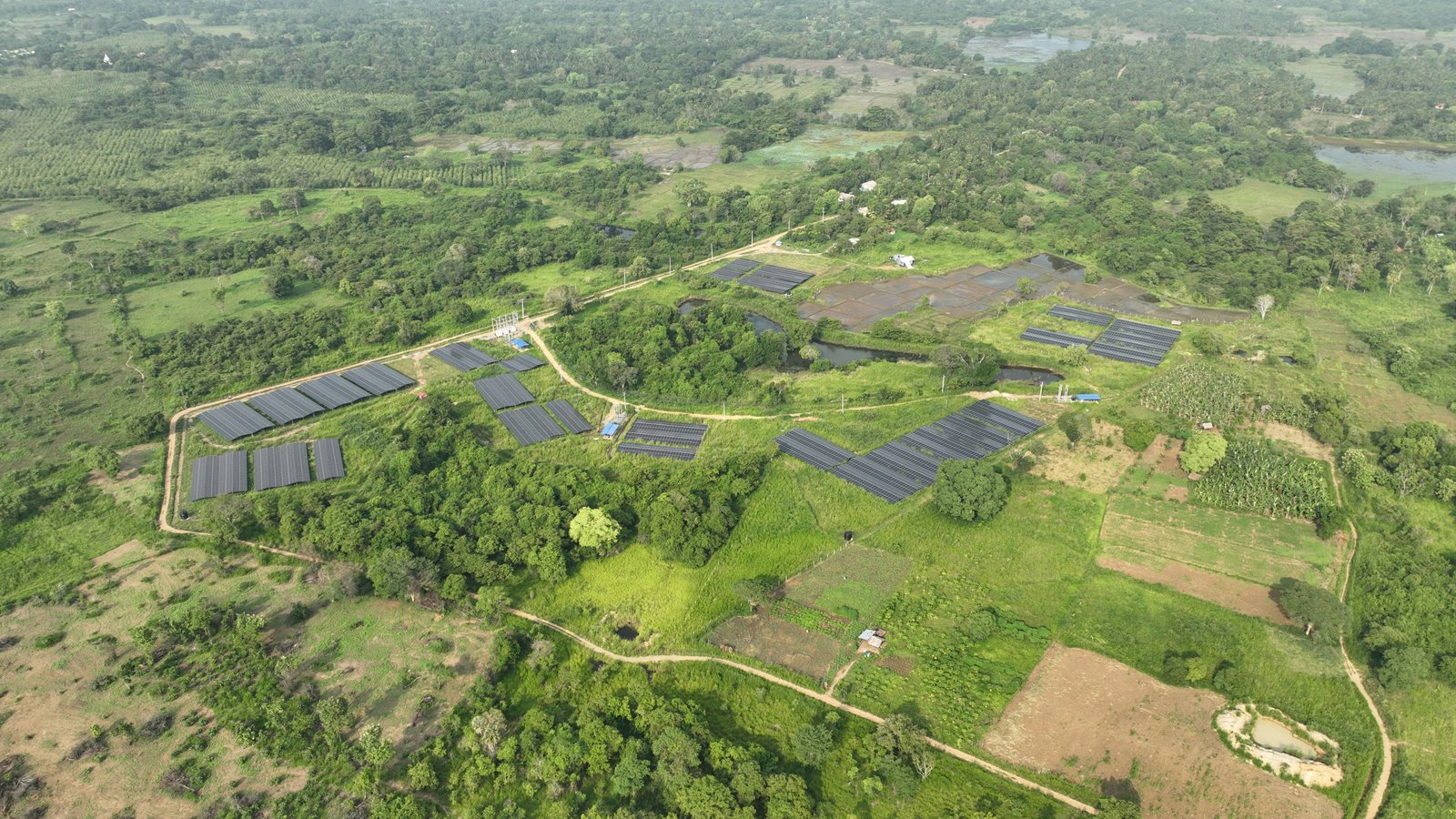
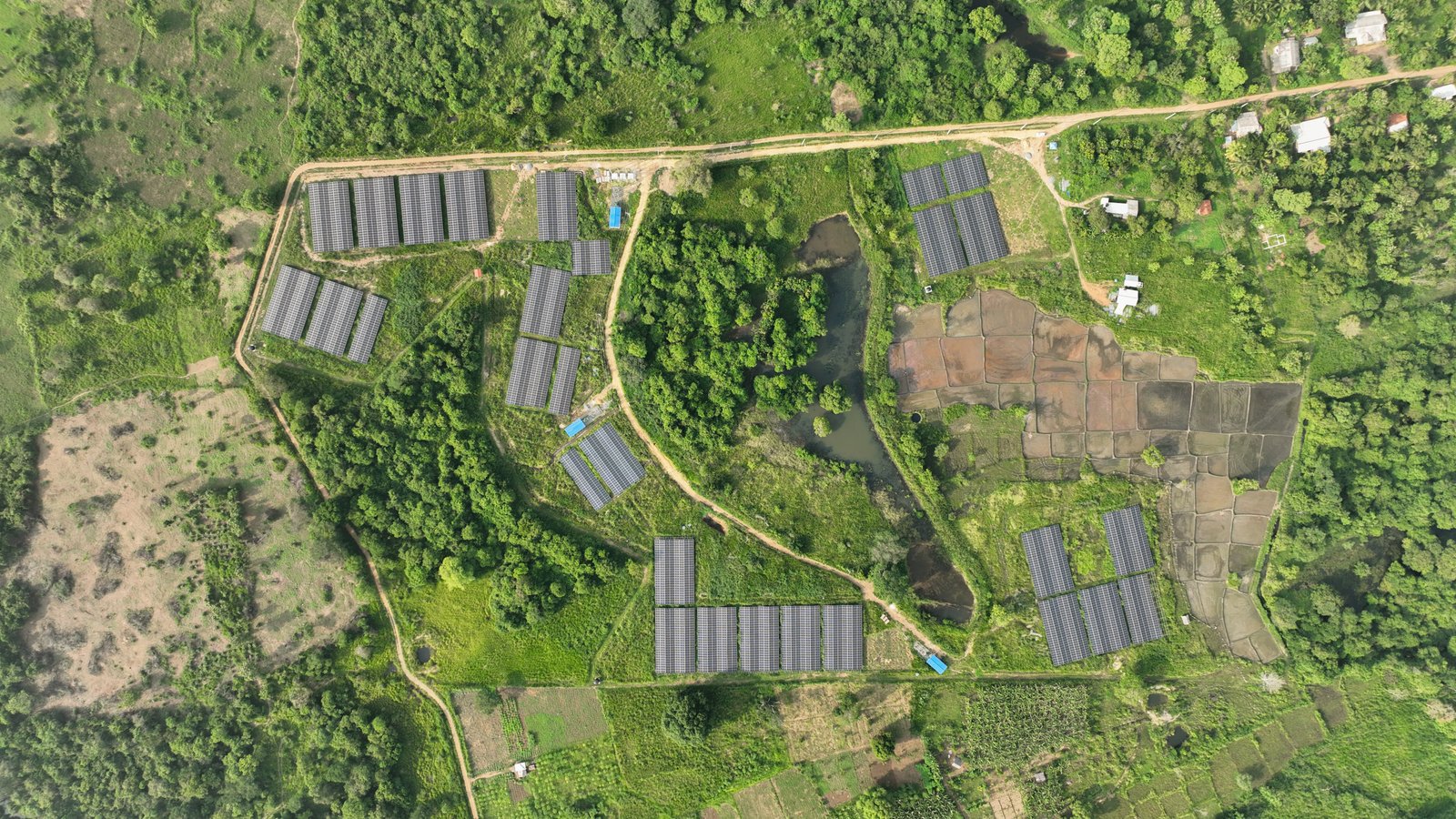
The programme covered seven plants with a combined capacity of about 7 MW, spread deliberately rather than concentrated in one place. Capacity was split across Maho, Pallekele, Mathugama and Embilipitiya, connected to four different grid substations, with total investment in the region of Rs. 1.2 billion. The plants were developed on a build, own and operate basis, backed by twenty year power purchase agreements.
Two design choices in that sentence matter more than the headline megawatts.
Spreading the sites spreads the risk. Weather in Sri Lanka is regional. A monsoon week that flattens generation in Mathugama may barely touch Maho. Splitting 7 MW across four substations smooths the output curve of the portfolio as a whole and avoids concentrating the entire asset base behind a single point of grid failure.
Substation capacity decides where you can build, not the land price. Developers new to the sector often secure attractive land first and ask about the connection later. That order is backwards. The question that decides a project is how much additional generation the nearest substation can absorb, and whether the feeder can carry it at midday when every other plant on that line is also at full output.
Why twenty year contracts change the engineering
A twenty year power purchase agreement is not a long warranty. It is a commitment to produce a predictable amount of electricity every year for two decades, through equipment ageing, module degradation, component obsolescence and at least one full replacement cycle of inverters.
That changes procurement. Under a short payback logic, the cheapest compliant module wins. Under a twenty year obligation, what matters is the manufacturer still existing in year twelve to honour a warranty claim, spare inverters being available in the country, and degradation being slow and predictable enough that year nineteen output still covers the debt.
It also changes how the operations and maintenance plan is written. Vegetation management, module cleaning intervals, thermal inspection, string level monitoring and a stocked spares list are not optional extras on a plant of this type. They are the difference between the projected yield and the actual one.
What developers underestimate
- Approvals run in parallel, not in sequence. Grid connection, environmental clearance, local authority permissions and land documentation all have their own clocks. Starting them one after another is how a six month build becomes an eighteen month one.
- Access roads and drainage are permanent decisions. They are cheap to get right during construction and expensive to fix once the arrays are standing.
- Civil work sets the schedule. Panels go up quickly. Foundations in laterite, in paddy edge soil, or on a slope do not.
- Monitoring pays for itself in the first fault. String level data turns a vague drop in monthly output into a specific combiner box to visit.
The bigger picture
Projects of this size sit between two worlds. They are small enough to be financed by a local fund and built within a year, and large enough to matter to the grid. For Sri Lanka, that middle tier is where a lot of practical renewable capacity will come from, because it does not depend on a single very large project clearing every hurdle at once.
For investors, the lesson from developing a distributed portfolio is straightforward: the value is created before construction starts, in site selection, grid studies and contract structure. The construction phase simply delivers what those decisions already determined.
If you are evaluating a solar investment, or you hold land near a substation with spare capacity and want to know what it could support, our team can run the numbers with you.
Sources: Daily FT, “LVL Energy Fund set to expand portfolio with development of 7 solar power plants” · First Energy project records